
Your product business isn't selling: the four reasons why
A podcast quote about running a business as a proof of concept sent me back through three years of my own trading history. I'd spent two hundred hours making and six telling anyone the business existed. There are only four things that can be wrong when a product business isn't selling, and most people fix the wrong one.
Print-on-Demand Income: The Real Numbers After 5 Years
A viral pitch promises print-on-demand will pay your bills while the platform takes a small cut. I checked both claims — one against the published fee schedules, one against five years of my own sales data. The numbers point the other way round.
The Plates Outlived the Company That Made Them
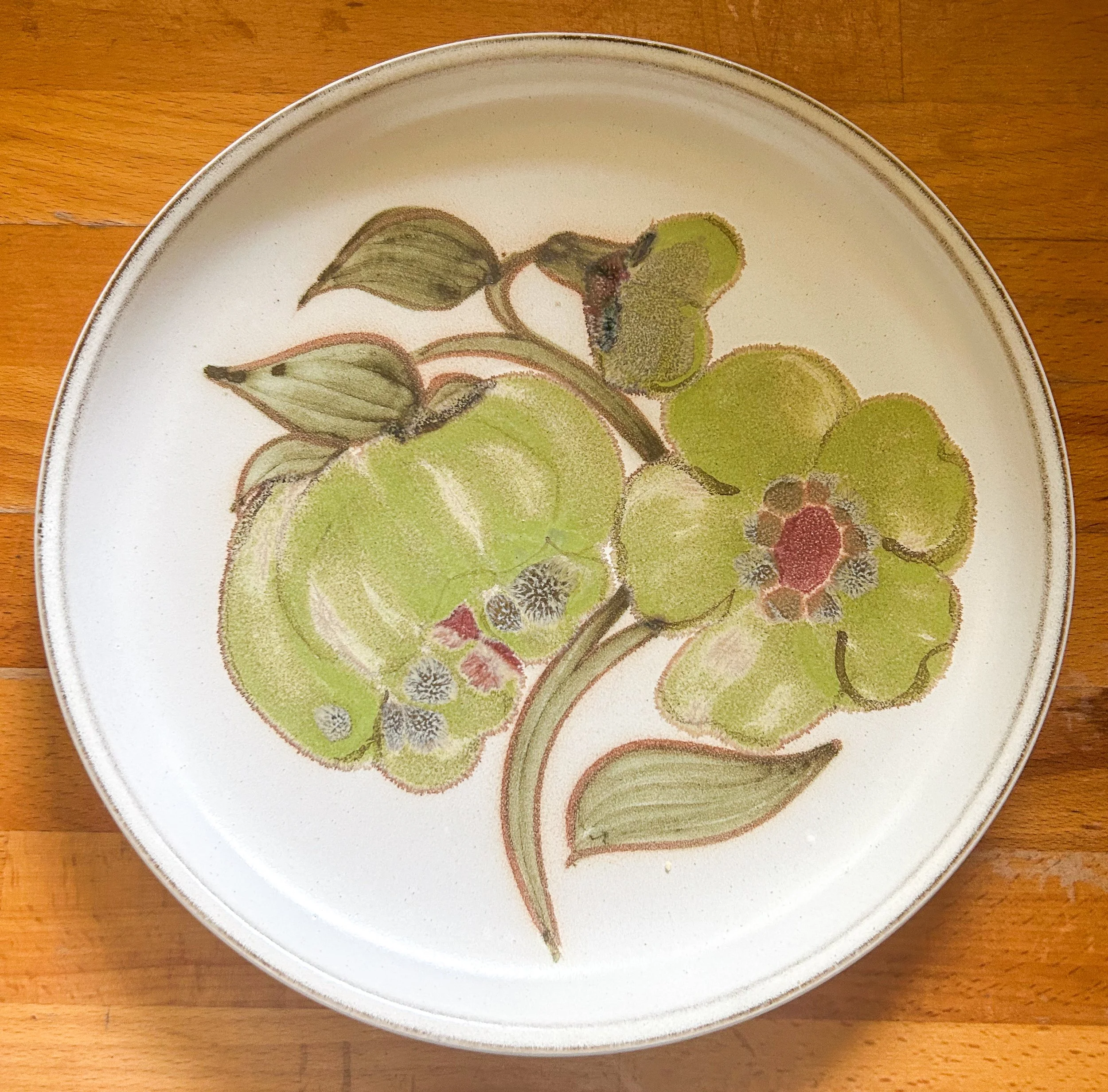
There's one stack of plates in my cupboard. The John Lewis ones at the bottom are all chipped. The Denby ones on top are older than I am and perfect. Denby entered administration in March, and the reason is written on the price tag.

How to Produce a Simple Custom Gifting Range
A local school asked for a logo and "some merch" for its 200th anniversary. Here is the whole process, from reading the brief to sourcing three suppliers to 300 finished badges, with the real numbers and the judgment calls that don't show up in a spec.
I launched a second collection. I should have sold the first one harder.
In fashion, newness is the business model. Small product businesses copy the collection calendar without any of the conditions that make it pay. Here's what that reflex actually cost me.
Why a product decision starts with the objective, not the money.
Someone asked me what they could make with £500. I told them they were starting with the wrong number. The budget can't choose your product — only the objective can.
I Ordered 25 Calendars. I Sold One.
I found three businesses successfully selling calendars, decided the demand was real, and ordered 25. I sold one. Here's the difference between demand for a category and demand for your product — and why mistaking one for the other leaves you with a spare room full of stock nobody wanted.

My Most Loyal Customer Wasn't Real
I built a product business around an invented customer called Hannah. She never bought anything — because the standard ways of finding a customer don't work when you're selling something nobody needs. Here's what does.
The hardest call in any business: keep going, or stop
The hardest businesses to walk away from aren't the ones that fail — they're the ones that almost work. Why you can't diagnose a stalled business from your own desk, and the call no spreadsheet makes for you.
Most operational chaos starts as a workaround
Most operational chaos isn't designed — it accumulates, one workaround at a time. The clearest sign is where the work stops: at the one person everything waits on. Why hiring doesn't fix it, and what does.
Blurry signals delay grief
The most uncomfortable kind of feedback is the one you can't argue with. Which is why founders keep choosing the validation methods that produce the blurriest signals. Blurry signals delay grief — and they delay decisions.
Your supplier just raised the price. Don't switch yet.
A client emailed me this week — her long-term supplier had quoted higher than usual, and she was ready to start over. I told her not yet. There's one question worth asking before you switch suppliers, and the answer almost always changes the conversation.
You Don't Need More Products.
Most founders add new products because they want more to say, not because the business has told them it's ready. Before you brief a supplier or sketch a design, there's one question worth answering honestly: how many strangers have actually bought what you already make? The answer changes everything.

Product First or Audience First?
Pip & Nut and All Things Butter spotted the same kind of gap in the food market — and validated it in completely opposite sequences. One sold peanut butter from a weekend stall in 2013. The other built a million-follower TikTok audience before the product existed. Here's how to tell which route fits your product business.
Who Knows How This Works?
You sit down to write handover notes before a week off — and realise you can't explain your own job. Most product businesses run on a person, not a system. Here's what "documented" actually means in practice, and where to start.